Sir Frederick Geoffrey Shedden (KCMG, OBE) – Secretary of the Dept. of Defence and his chauffeur : ex bus-driver Frederick Norman Webb. Charlie (Carl ) Webb’s nephew.
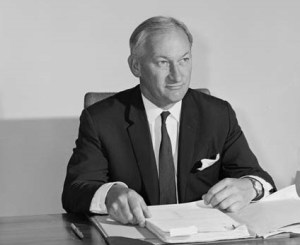
Sir Frederick Geoffrey Shedden (KCMG, OBE): The Secretary of the Department of Defence
and his personal chauffeur …. Fredrick Norman Webb, former bus driver.
Details of Webb’s NAA file
24 August 1944. Webb, aged 23, has his Oath or Affirmation to join the RAAF filed as incomplete in that his name is missing, the form not signed and the Oath not completed.
4th September 1944. Webb’s Cancellation of Exemption From Service In The Defence Force filed as complete.
19 September 1944. Webb’s application to join the RAAF filed as complete.
20th September 1944. Webb’s Personal Particulars of Recruits form filed as complete.
20th September 1944. Webb’s application for recruitment into the Citizen Air Force prior to his enlistment filed as complete.
5th November 1947. Webb’s Application For Discharge filed as complete.
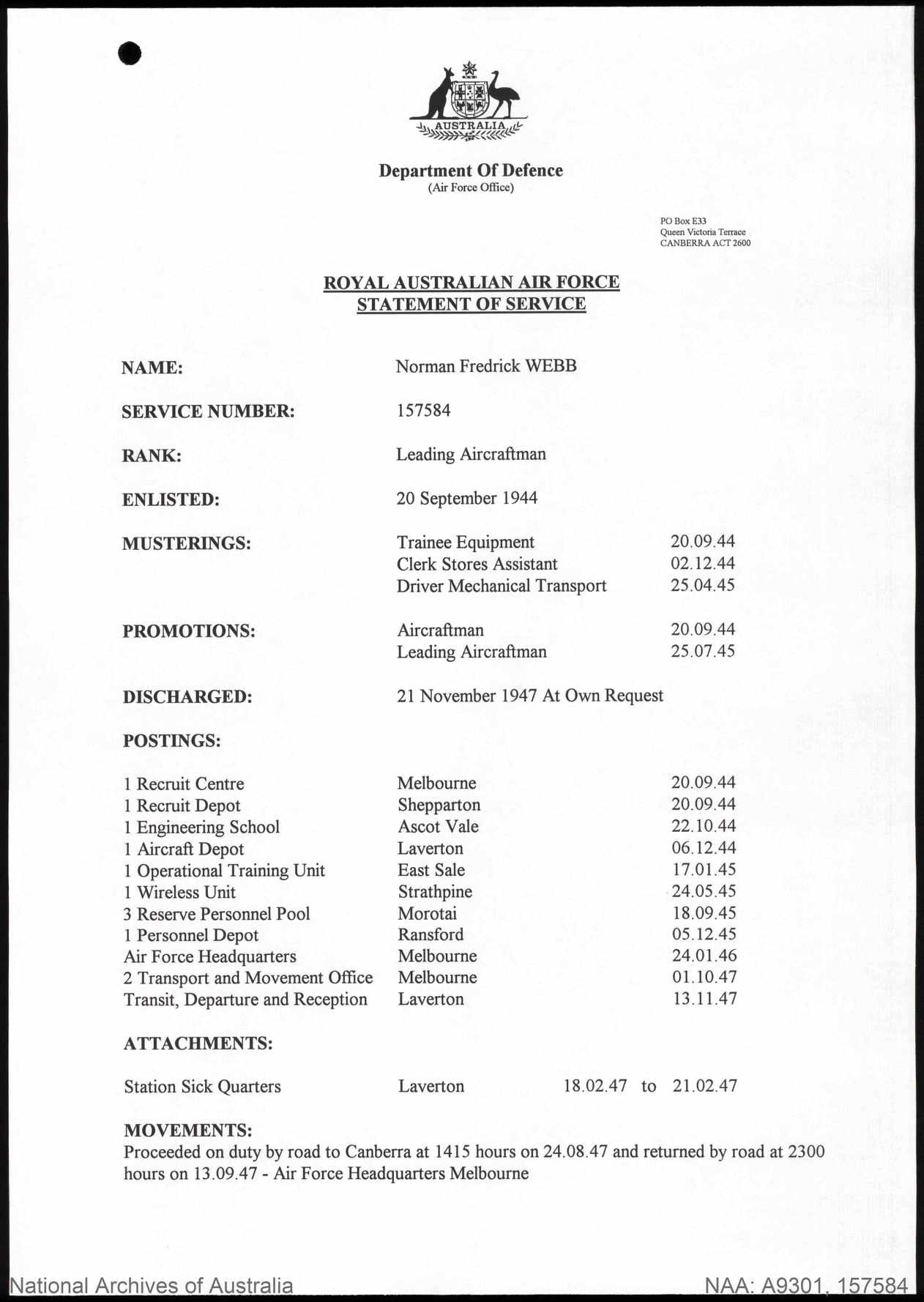
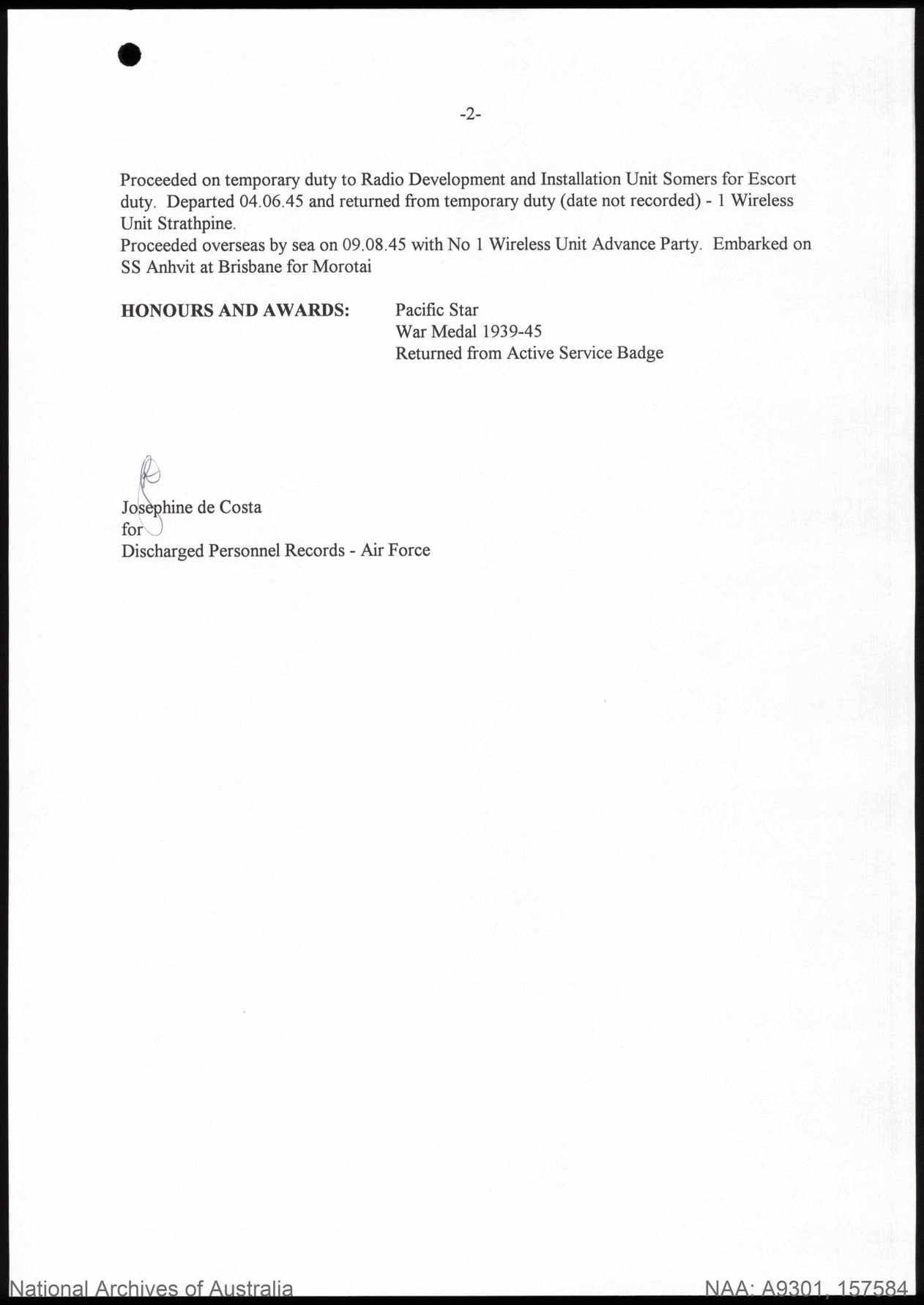
As noted in his file, Webb was Sir Frederick Geoffrey Shedden’s (KCMG, OBE) personal driver.
Shedden was the Secretary of the Department of Defence from 1937 to 1956 and in 1940 was appointed to the Advisory War Council.
“Shedden was a tough, shrewd operator who spent his whole career at Victoria barracks in Melbourne (refusing to move to Canberra). Shedden’s biographer, David Horner, cites a description of Shedden as a powerful personality who was ‘ruthless with those who crossed him, and devastating with those … who could not rise to his exceptional standards of performance”. The Strategist
-John Edwards describes Shedden’s ill humour when sailing with Prime Minister John Curtin to the US in 1944:
“The voyage across the Pacific to San Francisco took two weeks. Separated from his files, from his department, from his independence and authority as the bureaucratic overlord of the national war effort, Shedden was morose. Files were knowledge, and knowledge was power. A habitual note taker, he was suddenly bereft of content.”
~~
If it was learnt during the investigation of the mysterious death of Carl Webb that Shedden was in some way innocently implicated in the spying business of the day, whether through carelessness with securing his files (or notes) or being too open in conversation with a colleague whilst being driven by his personal chauffeur (Carl Webb’s nephew Norman) then little wonder the police investigation appeared to be less thorough as you would expect and what was thought to have been their carelessness may have in fact been deliberate. The fact that detective Brown was denied any part of the investigation after the Rubaiyat was allegedly handed in might indicate he initially wasn’t trusted to be party to the scheme, though he was later rewarded with a promotion to detective inspector, which may have been the result of trust restored.
What’s more it could explain the absence of any photo of what was thought to have been Carl Webb’s Rubaiyat, together with the sudden appearance of the Tamam Shud slip some weeks after the body’s clothing was searched and later the hastily scrawled code thought to have been written by Webb was discovered on the book’s back cover, which in itself implied some type of espionage activity afoot. And to take the hypothesis even further you might think the visit by the police to Jessica’s home and her subsequent visit to view the bust were orchestrated to demonstrate the police’s knowledge of her relationship with Norman Webb’s uncle, himself thought to have been a spy and remembering that no photograph of her phone number – said to have been written on the back of the book and which led the police to her door – has ever been made public.
Little wonder Jessica remained silent for all her remaining years and not surprisingly her daughter Kate said when interviewed she had ‘a dark side’ to her nature.
And little wonder Dr Dwyer stated that he was ‘astounded’ no traces of barbiturate were discovered in the body by analyst Cowan, who coincidentally was present when Professor Cleland discovered the TS slip in the fob pocket of the trousers being worn by Webb.
And who proved to be unable to identify the black powder shaken from a simple particle brush found in Webb’s suitcase, which was left unlocked at the luggage office.
Which might explain why DS Leane didn’t investigate the train ticket found in Webb’s ticket pocket the day it was found … because who knows? If the police had of asked railway staff to describe the individual who lodged the bag on the day after the body was found their recollection may have been of someone who looked completely different.
You know it makes sense.


 The Somerton Man ..
All this subterfuge would make a great spy movie. Once the action moved to SA, the police were out of their depth, no doubt that Miss ‘teflon’ Jessie, was well aware.
LikeLike
Even if all Norman disclosed over the dinner table was where Shedden had been travelling to and from it would have been valuable information given the elite circles he inhabited.
LikeLike
Out of all individuals chosen to be Shedden’s driver, why was an ex-bus driver selected?
LikeLike
You’d think they would have had some vetting procedure in place for a bloke to work in such close contact with somebody like Sheddon.. who seemed to be a bit of a demon for secrecy.
LikeLike